AC vs DC Power Explained Simply
Tech News
AC vs DC power is one of the first ideas people meet when learning how electricity works. This topic explains why electricity behaves differently depending on where it comes from and how it is used.
Electricity powers lights, phones, and homes every day. Yet many beginners feel confused about why some devices use one type of power while others use another. This guide breaks everything down in a clear and simple way.
What AC vs DC Power Means in Simple Terms
AC vs DC power refers to two ways electricity flows. One type changes direction again and again. The other moves in only one direction. Both do the same job, but they behave differently and are used for different reasons.
Understanding this difference helps explain why wall sockets power homes, while batteries power phones. It also shows why converters and chargers are needed in daily life.
What Is AC Power and How It Works
AC power means electricity that changes direction many times each second. This is also called alternating current. The constant switching helps move electricity over long distances with less energy loss.
AC power is easy to adjust to high or low voltage levels. This makes it useful for sending electricity from power stations to cities and homes safely.
Common Examples of AC Power
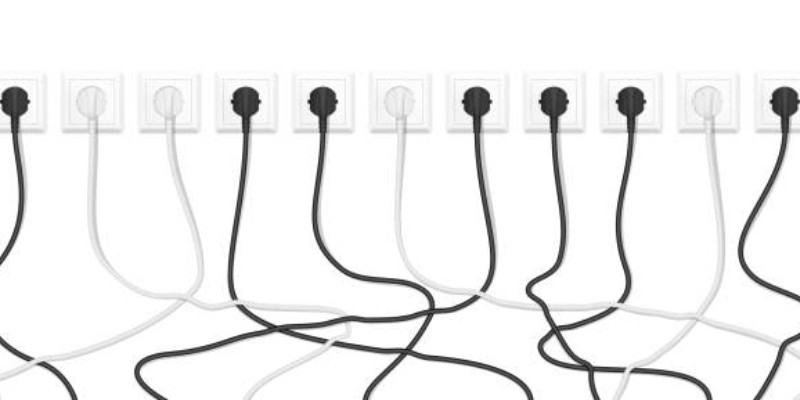
AC power is used in wall outlets found in homes and offices. It runs ceiling fans, televisions, and refrigerators. Power lines that stretch across cities also carry this form of electricity.
Large machines in factories depend on AC power because it handles high energy demands well. This widespread use explains why AC power became the global standard for power grids.
What Is DC Power and How It Works
DC power means electricity that flows in one steady direction. This is known as direct current. It provides stable energy, which sensitive electronic parts need to work properly.
DC power does not change direction. This makes it easier to control, but harder to send over long distances without losing energy.
Common Examples of DC Power
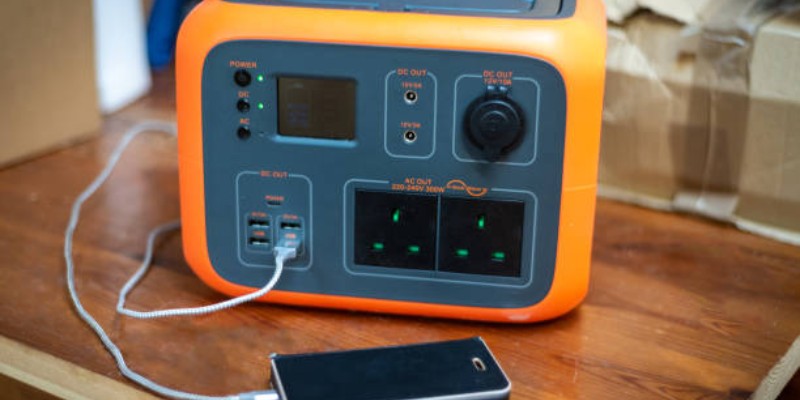
DC power is found in batteries, power banks, and solar panels. Phones, laptops, and wireless earbuds rely on this steady flow of energy.
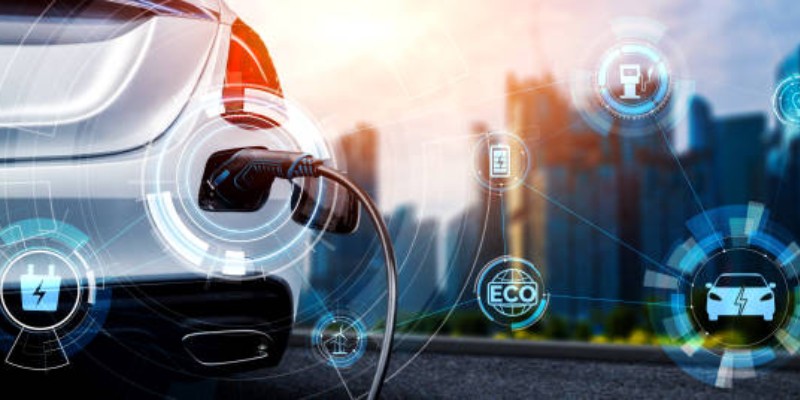
Electric vehicles store DC power in batteries. Many modern systems depend on DC power even when the source begins as AC power.
AC vs DC Power Differences That Matter Most
The biggest AC vs DC power differences come down to flow, voltage behavior, and distance. These differences explain why both types still exist today.
Each form solves a specific problem. Neither is better in every situation, which is why both are used side by side.
Flow Direction Comparison
Alternating current moves back and forth rapidly. Direct current moves in one direction only. This simple difference affects how electricity is stored, transmitted, and used.
The back-and-forth flow of alternating current helps with long-distance delivery. The single direction of direct current supports stable device performance.
Voltage Stability Comparison
AC power voltage rises and falls in cycles. DC power voltage stays mostly steady. Electronics prefer steady voltage to avoid damage or errors.
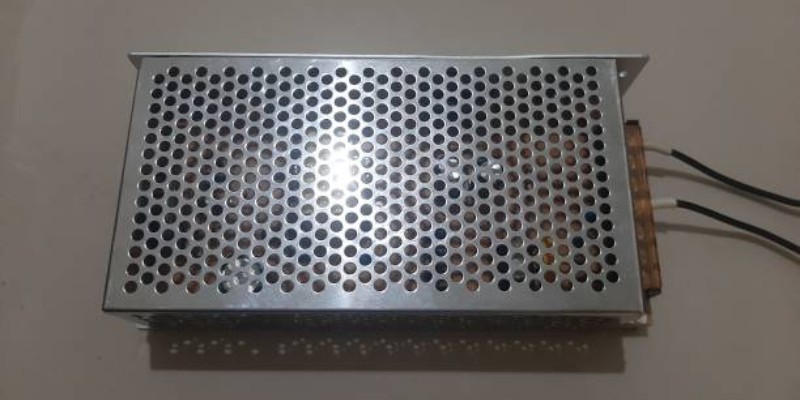
This is why chargers exist. They turn AC power into DC power before electricity reaches delicate components.
Distance and Power Loss Comparison
AC power travels long distances efficiently. Transformers can raise or lower voltage easily. DC power loses more energy over long lines without special equipment.
Because of this, AC power dominates national grids, while DC power stays closer to where it is produced or stored.
Why Homes Use AC Power Instead of DC
Homes use AC power because it is easier and cheaper to distribute. Power stations can send electricity far away without major losses.
Voltage levels can be reduced before electricity enters houses. This improves safety while keeping systems affordable and reliable for everyday use.
AC vs DC power choices for homes were made long ago, and the infrastructure still supports those decisions today.
Why Electronics Depend on DC Power
Electronics rely on DC power because it is stable and predictable. Small circuits need a steady flow to work correctly.
Inside chargers, AC power from wall sockets is changed into DC power. This conversion protects devices and ensures smooth operation.
Guidance shared through official energy guidance helps explain why stable power matters for electronics and safety.
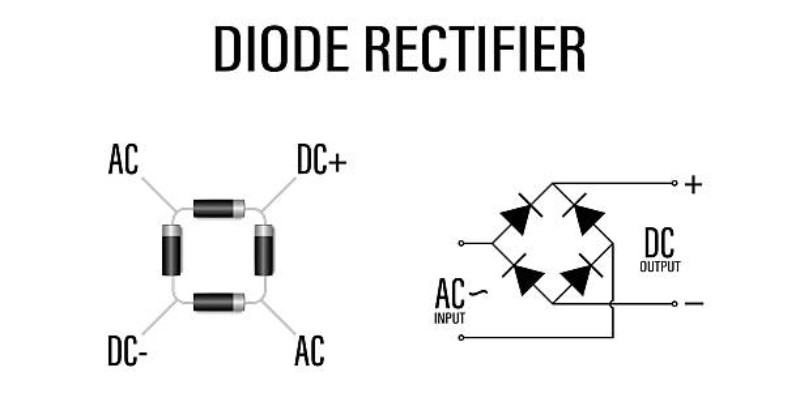
How AC Power Is Converted to DC Power
Chargers contain components that convert AC power into DC power. This process smooths out the changing flow of electricity.
The converted power is safer and more suitable for batteries. Without this step, most modern electronics would not function properly.
This conversion process is a daily example of AC vs DC power working together behind the scenes.
AC vs DC Power in Renewable Energy Systems
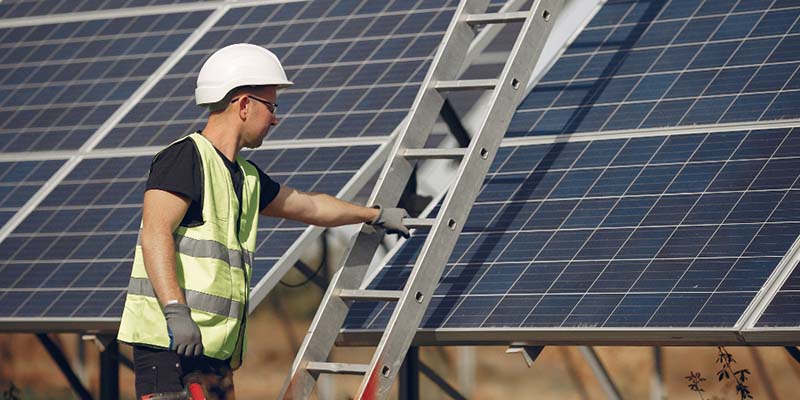
Solar panels generate DC power naturally. Homes and grids, however, use AC power. This mismatch requires an inverter.
An inverter changes DC power into AC power so it can be used in buildings. Many renewable systems use both forms at once.
Research shared through professional engineering resources shows how this balance improves energy efficiency and grid stability.

Safety Differences Between AC vs DC Power
Both AC power and DC power can be dangerous. The risk depends on voltage, current strength, and exposure time.
AC power is more likely to cause muscle lock during shocks. DC power can deliver strong, continuous force. Safety systems reduce these risks in daily use.
Learning AC vs DC power basics helps users respect electricity and avoid unsafe handling.
Choosing Between AC vs DC Power for Real-Life Use
AC power works best for homes, offices, and large systems. DC power suits electronics, batteries, and storage.
Most people use both forms every day without noticing. Devices quietly convert power as needed.
Trusted educational references explain how these choices affect efficiency and safety across industries.
Understanding AC vs DC Power in Everyday Life
AC vs DC power explains how electricity reaches homes and runs devices. One type moves back and forth, while the other flows steadily.
Both exist for practical reasons. Together, they form the backbone of modern electrical systems and daily technology use.
Understanding these basics removes confusion and builds confidence when dealing with electricity.
Sources
Share this article:
Recommended For You



Most Viewed


ADVERTISEMENT